
The past two decades have seen the Kirby Institute build on its long history of translating research into population-level impact, developing new approaches to turning evidence into practice at scale. This seminar explores that journey, examines that shift from research institution to implementation force, and what it took to get there.
The session will draw on landmark initiatives including EPIC-NSW, which contributed to a near one-third decline in HIV transmissions among gay and bisexual men in NSW, and TTANGO (Test, Treat and Go), a community-led point-of-care testing program developed and implemented with Aboriginal and Torres Strait Islander health services and communities in remote and very remote Australia, supporting increased access to rapid testing and treatment for STIs. We will explore what we learned about embedding research into health practice at scale.
Central to this seminar is the evolution of First Nations research and leadership at the Kirby Institute. We will reflect on two decades of working alongside Aboriginal and Torres Strait Islander communities, researchers, and health services, recognising not only Kirby’s contribution to First Nations health but also how First Nations people and communities have shaped the Institute’s research, partnerships, and ways of working. The discussion will explore what genuine partnership and First Nations leadership looks like in practice, the importance of community-led priorities and governance, and what we have learnt along the way, including what still needs to change.
Featuring perspectives from researchers, First Nations Leaders, implementation leaders and community partners, this seminar reflects on the people, partnerships, and research that have shaped Kirby Institute’s national impact in which prevention and implementation became core to the Kirby Institute's identity and considers what those lessons mean for the future.
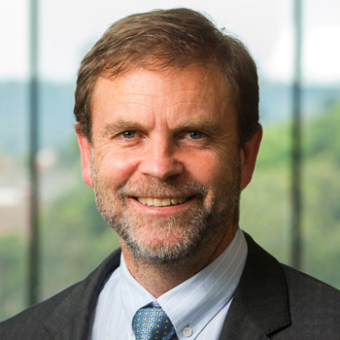
| Scientia Professor Anthony (Tony) Kelleher Prof Kelleher is a clinician scientist. He graduated from Medicine at UNSW in 1986. He trained in internal medicine and pathology at St Vincent’s Hospital, Sydney at the height of the HIV epidemic, qualifying as a Clinical Immunologist and Immunopathologist in 1995. Professor Kelleher was appointed Director of the Kirby Institute at UNSW Sydney in early 2019. He was Head of the Kirby Institute’s Immunovirology and Pathogenesis Program from 2005 to 2025, and Principal of the Infection Immunology and Inflammation Theme at UNSW Medicine from 2015 to 2024 and is current Clinical Theme lead of the RNA Institute at UNSW. As a staff specialist at St Vincent’s Hospital Sydney, Professor Kelleher is responsible for clinical care of patients with HIV infection and autoimmune diseases as well as oversight of the NSW State HIV Reference laboratory. |
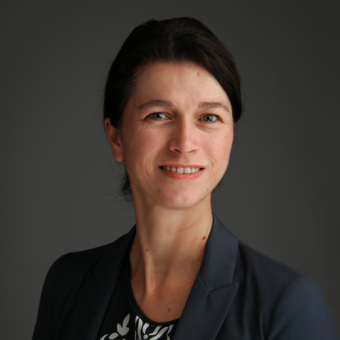
| Scientia Professor Rebecca Guy (Chair)
|

| Rob Monaghan (Chair) Mr Monaghan is the Kirby Institute’s inaugural Manager of First Nations Health Research. In this role, he leads the development of systems, policies, and a cultural framework to support the Kirby Institute’s First Nations health research, is Chair of the Kirby Institute’s First Nations health research advisory committee, and a member of the Executive Committee. |

| Associate Professor Louise Causer
|
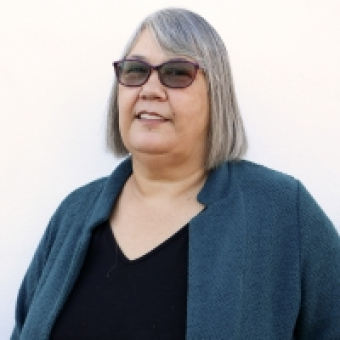
| Kim Gates Kim Gates works on the Yandamanjang First Nations Research Program at Kirby Institute as Community Relations Lead for the First Nations Molecular Point-of-Care Testing Program. Kim brings more than 30 years’ experience in Aboriginal and Torres Strait Islander health, including extensive work with Aboriginal Community Controlled Health Organisations and communities across Australia. Her expertise in community engagement and Indigenous health leadership will be a valuable asset to the Yandamanjang Program as they strengthen partnerships with communities and health services. |
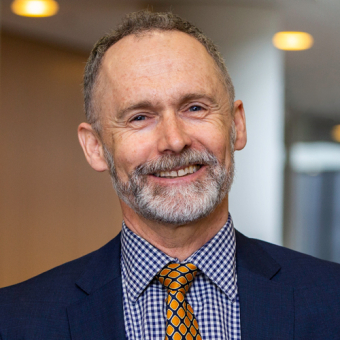
| Scientia Professor Andrew Grulich Prof Grulich is an internationally renowned authority in the transmission and prevention of HIV and sexually transmissible infections (STIs) and in the epidemiological relationship between immune deficiency, infection and cancer. He has worked in HIV research for more than thirty years, and at the Kirby Institute (formerly known as the National Centre in HIV Epidemiology and Clinical Research) since 1995. His current research is mainly in two areas: first, the transmission and prevention of HIV and sexually transmitted infections in homosexual men, with a focus on biomedical and behavioural prevention, and second, the intersection between infection, altered immune function and cancer, particularly as it relates to human papillomavirus-related cancer and focussing on anal cancer. Through his membership of state and federal ministerial advisory committees, he has been centrally involved in the policy response to HIV prevention in Australia. |
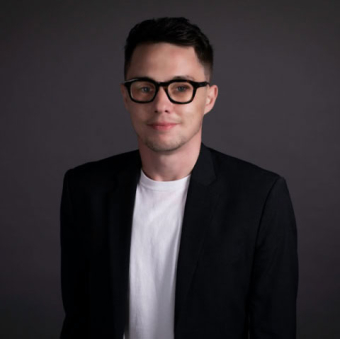
| Matthew Vaughan Matthew Vaughan is the Director of Population Health at ACON, Australia’s largest LGBTQ+ health organisation. In this role, he leads the strategic development and implementation of programs aimed at ending HIV transmission in New South Wales and improving the health and wellbeing of people of diverse sexualities and genders. Matthew has been working within the community services sector for the past 20 years working in a variety of roles within Government, Non-Government and Community-based organisations at state, national and international level. He brings extensive expertise in social marketing and specialises in crafting messaging on sensitive health areas, turning awareness into action. |
Kirby Institute 40 Years of Impact Seminar Series
In celebration of 40 years of research impact, in 2026 the Kirby Institute is coordinating a special series of seminars. In this series, we will look back over the four decades of our institute to reflect on the achievements we have made, the lessons we have learned and the crucial partnerships that made it all possible.
As we reflect on our 40th anniversary one thing is clear: we are only just getting started. Through these seminars, we will explore what has come to define the Kirby Institute, the extent to which we have responded to the needs of impacted communities, and what elements of our history we want to carry forward into our next 40 years to ensure we can continue to do more good, for more people, as long as it is needed.
Opinions expressed in this Seminar Series are solely those of the speaker and do not necessarily represent the views or opinions of the Kirby Institute or UNSW.


