
The Kirby Institute was established in 1986 in response to one of the most urgent public health crises of the late 20th century: the HIV epidemic.
In celebration of the Kirby Institute’s 40th Anniversary, this seminar, hosted in partnership with UNSW Medicine & Health, explores the origins of the Kirby Institute (originally the NHMRC Special Unit in AIDS Epidemiology and Clinical Research, then the National Centre in HIV Epidemiology and Clinical Research), focusing on why the HIV crisis demanded urgent epidemiological information and clinical trials research, how partnerships with affected communities were essential to the institute’s and Australia’s response, and why these early choices continue to shape the Kirby’s identity and mission today.
Hear reflections from Hon Emeritus Professor Peter Baume AC, the Opposition Health Spokesperson who was instrumental in achieving Australia’s bipartisan HIV response, plus an expert panel of researchers, policymakers and community leaders – including the Institute’s Patron, Hon Michael Kirby AC CMG – who will reflect on how evidence informed policy, challenged stigma and drove rapid action, and consider what lessons from that era remain vital as we respond to health crises today.
Note: Hon Dr Neal Blewett AC is no longer able to participate in this event.
Speakers
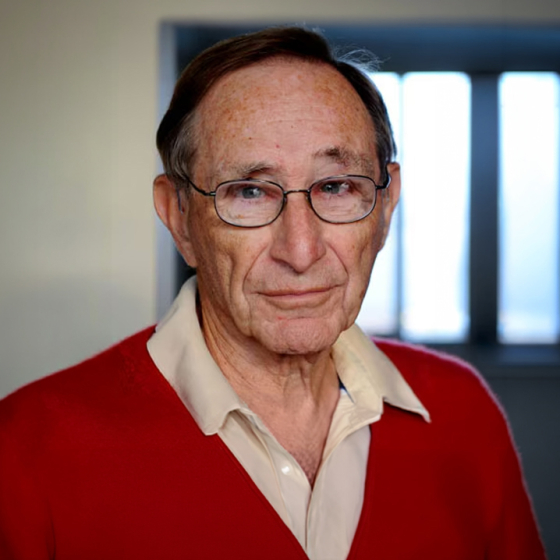
| Hon Emeritus Professor Peter Baume ACPeter Baume is a distinguished former politician, medical doctor and academic. Following a career as a gastroenterologist and physician, he served as a Liberal Senator for New South Wales from 1974 to 1991. He held senior Ministerial roles in the Fraser Government, including Minister for Aboriginal Affairs, Health, and Education, and served in the last Fraser Government cabinet. He was a Senior Shadow Cabinet Minister, and in that role and as Opposition Health Spokesperson, he was instrumental in the highly regarded bipartisan Australian Government response to HIV/AIDS in the 1980s, working with then-Health Minister Hon Neal Blewett to pass a suite of legislation directed at addressing the epidemic. Since his retirement from politics, he has acted as a consultant for federal and state departments of health, and was appointed Professor and Head of the School of Community Medicine (now School of Population Health) at UNSW, where he also pursued his research interests in euthanasia, and drug policy and evaluation, as well as teaching. He is an Emeritus Professor of UNSW and Life Governor of the Kirby Institute, and a Distinguished Fellow of the Royal Society of New South Wales. | |
 | ||
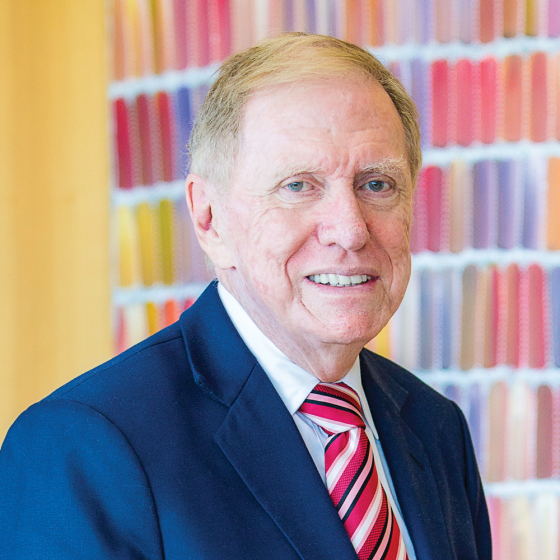
| Hon Michael Kirby AC CMGMichael Kirby is a highly distinguished Australian jurist and legal scholar who served as a Justice of the High Court of Australia from 1996 to 2009. He has been recognised internationally for his contributions to human rights and social justice. He was a member of the World Health Organization’s Global Commission on AIDS and since retiring from the High Court, has continued his work in various international roles. He has been awarded the Australian Human Rights Medal, was named a Laurette of the UNESCO Prize for Human Rights Education and received the Gruber Justice Prize for his work on sexual orientation discrimination and international human rights law, including laws relating to privacy and HIV/AIDS. He is a public speaker, commentator, and author. He is Patron of the Kirby Institute. | |
| ||
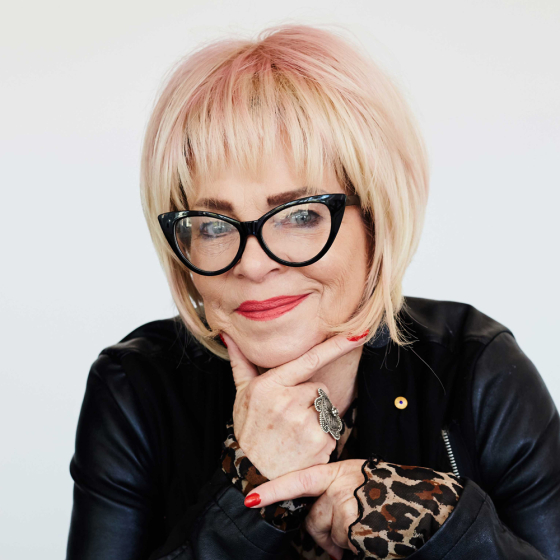
| Julie Bates AOJulie Bates is the Principal of Urban Realists Planning & Health Consultants, a public speaker, political lobbyist, and social researcher. She is also an ‘out’ sex worker and has been a harm reduction advocate and sex worker rights activist for over 40 years. She was a foundation member of the Australian Prostitutes Collective (precursor to SWOP), NUAA (NSW Users & AIDS Association), the Sydney Hospital initiative that became the Kirketon Road Centre, and a member of the Australian National Council on AIDS. Since the earliest days of the HIV pandemic and in a legal environment that still criminalised most aspects of the sex industry, Julie personally compelled some of the biggest brothel owners in Sydney to adopt a safe sex attitude and practice in the interest of both their businesses and public health. In 2018, she was made an Officer of the Order of Australia. | |
| ||
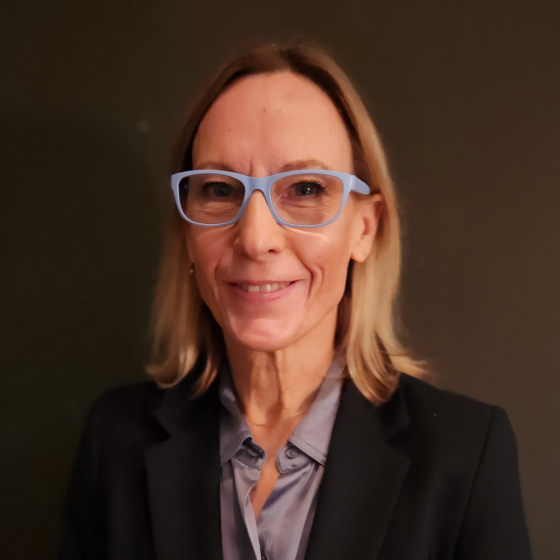
| Dr Kate ClezyKate Clezy is an infectious diseases specialist. She is currently a Clinical Advisor at the NSW Health Clinical Excellence Commission in the Healthcare Associated Infections program and co-chairs the Infectious Disease/Infection Prevention and Control working group for the NSW Health Single Digital Patient Record. From 2019–2023, she was Antimicrobial Resistance and Infectious Diseases Advisor at Médecins Sans Frontières in the Netherlands. From 1988 she trained at the Prince Henry (now Prince of Wales) Hospital HIV/AIDS ward. This led to a clinical placement at The Albion Centre, where she worked alongside consulting as a specialist at the Prince Henry Hospital’s HIV unit. In 1992 she joined the National Centre for HIV Epidemiology and Clinical Research (Kirby Institute), serving as Head of its Clinical Trials Unit (1993–1998). She continued providing specialist HIV care at Prince of Wales Hospital until 2018. | |
| ||
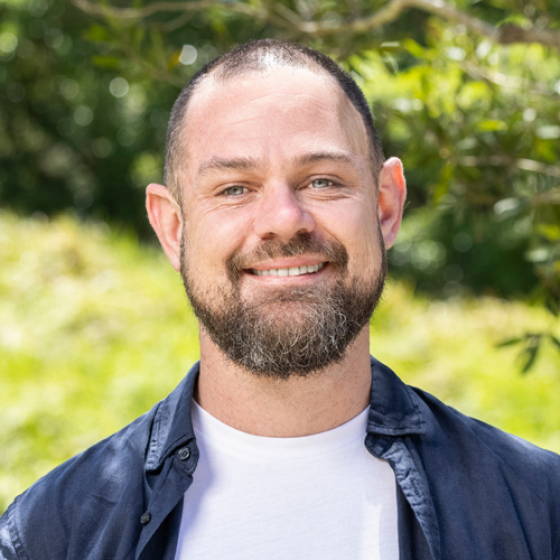
| Brent CliftonBrent Clifton is the Deputy Director at the National Association of People Living with HIV Australia (NAPWHA) where he oversees activities, policies and programs on HIV treatment, health and quality of life. Brent has held numerous peer support and management roles in the Australian HIV sector, across a range of programs, initiatives and research partnerships focused on people living with HIV including those who are recently diagnosed, people who inject drugs and gay men and other men who have sex with men living with HIV. Brent was a Research Officer and completed a Master’s Degree in Public Health while working at the Kirby Institute from 2018–2020. | |
| ||
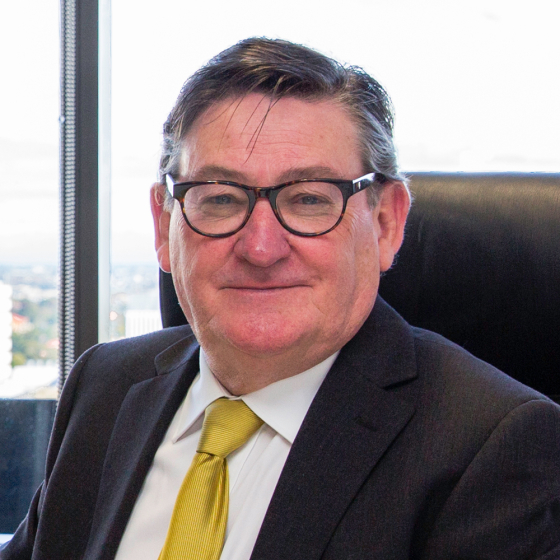
| Emeritus Professor Basil Donovan AOBasil Donovan is a former sexual health and public health physician and is nationally and internationally renowned for his cross-disciplinary expertise in sexual health. His research and policy expertise includes the clinical, laboratory, and public health aspects of HIV and sexually transmissible infections, and he has worked extensively with priority populations including sexual and gender minorities, sex workers, Aboriginal people, youth, prisoners, juvenile offenders, and travellers. He was a founding Fellow of the Australasian College of Sexual Health Physicians, co-founded the Taylor Square Private Clinic in Sydney, and conducted some of the earliest HIV cohort studies in Australia, which contributed to the national response to HIV/AIDS including the establishment of the Kirby Institute. He officially joined the Kirby Institute in 2006, and founded and was head of its Sexual Health Program from 2009 until his retirement in 2023. | |
| ||
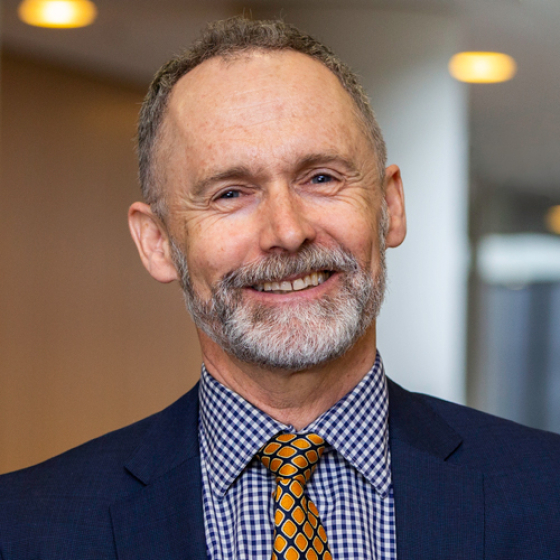
| Scientia Professor Andrew GrulichAndrew Grulich is medical epidemiologist and public health physician. He is an internationally renowned authority in the transmission and prevention of HIV and sexually transmissible infections and in the epidemiological relationship between immune deficiency, infection and cancer. He has worked in HIV research for more than 30 years, and joined the Kirby Institute in 1995 where he has led its HIV Epidemiology and Prevention Program since 2002. Andrew has led pivotal studies that have informed national and international HIV policy and practice guidelines. Through his membership of state and federal ministerial advisory committees, Andrew has been centrally involved in the policy response to HIV prevention in Australia. He has represented Asia and the Pacific Islands on the International AIDS Society (IAS) Governing Council since 2020, and was elected a Fellow of the Australian Academy of Health and Medical Sciences in 2015. | |
| ||
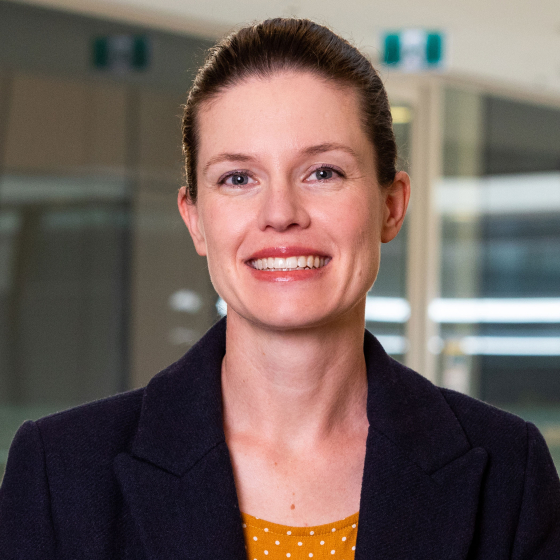
| Dr Skye McGregor (Chair)Skye McGregor is an epidemiologist whose work focuses on surveillance and prevention of sexually transmissible infections and blood borne viruses. She leads production of the national sexually transmissible infections and blood borne viruses annual surveillance reports for Australia. These reports provide a comprehensive analysis of HIV, viral hepatitis and sexually transmissible infections in Australia. Over the past 10 years Skye has also been involved in a number of important research projects at the Kirby Institute, including a cluster randomised trial of best practice STI care in remote Aboriginal communities, a community-based HIV knowledge and attitudes survey in culturally and linguistically diverse groups. |
Event schedule
3:00pm – Doors
3:30pm – A public health crisis: HIV and the need for evidence presentations and panel discussion
5:00pm – Refreshments and networking
6:00pm – Close
Kirby Institute 40 Years of Impact Seminar Series
In celebration of 40 years of research impact, in 2026 the Kirby Institute is coordinating a special series of seminars. In this series, we will look back over the four decades of our institute to reflect on the achievements we have made, the lessons we have learned and the crucial partnerships that made it all possible.
As we reflect on our 40th anniversary one thing is clear: we are only just getting started. Through these seminars, we will explore what has come to define the Kirby Institute, the extent to which we have responded to the needs of impacted communities, and what elements of our history we want to carry forward into our next 40 years to ensure we can continue to do more good, for more people, as long as it is needed.


