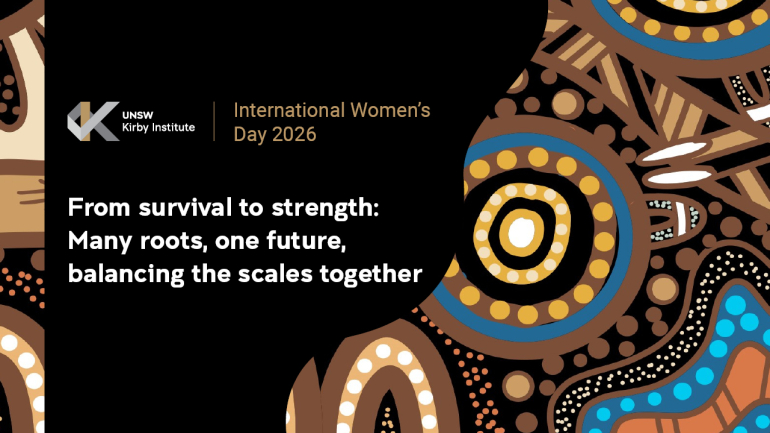
In celebration of International Women’s Day, the Kirby Institute will explore what ‘balancing the scales’ really means across health, leadership, and systems, and how all of us, including men, have a role in creating safer futures.
Please join us for a First Nations-led conversation grounded in women’s lived experience, healing, and connection to Country.
This is an in-person event that will also be livestreamed. There will be no recording.
For in-person attendees, a catered lunch will be provided at 12:30pm.
Speakers

| Natalie Chenhall Natalie Chenhall is a proud Bidjigal and Yuin woman and the UNSW Indigenous Employment and Engagement Manager. With previous Indigenous-focused roles at the Commonwealth Bank of Australia and the Australian Broadcasting Corporation, she brings corporate and community experience to advancing meaningful employment pathways and culturally safe workplaces. Coming from a strong line of Aboriginal women and a proud mum to Chanel and Kai, Natalie draws on lived experience of intergenerational domestic and family violence and is committed to breaking cycles of harm and creating safer futures for her children and community. This event falls on the anniversary of her mother’s passing. She honours her mum’s strength and guidance, which continue to shape her leadership and commitment to change. | |
 | ||

| Mel Fernando Mel Fernando is a proud Wiradjuri, Kamilaroi, Gungurri and Euahlayi woman and a Senior Aboriginal Researcher with the Yandamanjang First Nations Health Research and Surveillance and Evaluation Research Programs at the Kirby Institute. Her work focuses on Aboriginal health, community-led research and strengthening equity through culturally grounded approaches. Mel brings lived experience of domestic and family violence to her work, alongside her experience as a mother of three daughters and three bonus kids. She is committed to advancing equity and strengthening the voices of Aboriginal and Torres Strait Islander peoples in health, research and systems change. | |
| ||
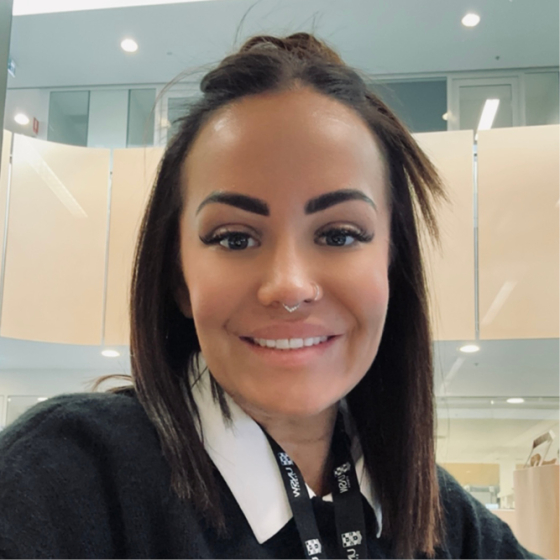
| Emma Pagett Emma Pagett is a proud Gamilaraay woman from Coonabarabran in north-west NSW and a Research Officer with the Yandamanjang First Nations Health Research Program at the Kirby Institute. Raised in a low socioeconomic community and shaped by intergenerational trauma — her mother having been born on a mission and becoming a young mother – she brings lived experience, resilience, and professional expertise to her research. A former sole single mother for over ten years, she completed university while shift-working as a nurse in prisons and managing chronic pain, supported by the strong women around her. She credits her family and cultural kinship for guidance and is committed to minimising stigma, improving rural healthcare outcomes, and championing women’s strength and leadership. |
Chairs
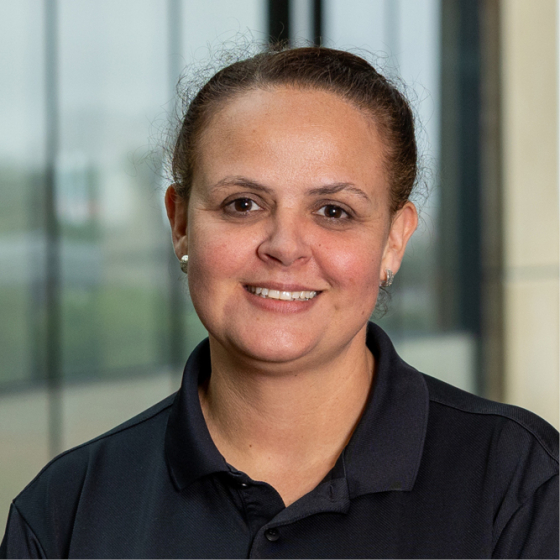
| Jackie Thomas Jackie Thomas is a proud Kamilaroi woman and mother, and a Research Officer with the Yandamanjang First Nations Health Research and Surveillance and Evaluation Research Programs at the Kirby Institute. With over 11 years’ experience working alongside Aboriginal communities, she supports initiatives that strengthen sexually transmissible infections and blood-borne virus prevention, enhance service delivery, and promote culturally responsive systems change to improve health outcomes for Aboriginal and Torres Strait Islander peoples. | |
| ||

| Robert Monaghan Robert Monaghan is a descendant of the Bundjalung (on his Grandmother’s side) and Gumbaynggir (on his Grandfather’s side) Nations, his family and extended family are from the North Coast NSW alongside the Clarence River at Baryulgil. He is the Manager of the Yandamanjang First Nations Health Research Program at the Kirby Institute. He has worked within the Aboriginal community-controlled health sector with national, state and local governments for over 25 years. |
Welcome to Country will be delivered by Aunty Lola Ryan – Dharawal elder, artist and community leader.
--

Tree artwork: concept and embellishment by Mel Fernando
Inspired by connection to Country, our interactive Message Tree places First Nations women’s lived experience at its roots. For First Nations people, trees symbolise birth, matriarchal strength and deep-rooted connections across generations. Like tree roots, women carry the weight, nurture the next generations and keep families and communities strong and grounded. When we strengthen the roots, the whole tree stands stronger.
We invite you to reflect on the question:
What's one thing you would do differently in 2026 to balance the scales for women?
Add your voice to our Message Tree as we listen, reflect and move toward shared responsibility and action together. Your message will help shape the discussion at our event.
--
Content warning: Speakers may share personal experiences of trauma, including domestic and family violence and stigma. Please take care if attending and participate in a way that feels safe for you.
13 YARN: 24/7 free crisis support chat for Indigenous Australians. Connect to an Aboriginal and Torres Strait Islander person who will listen to you. No shame, no judgement, safe place to yarn. Website | Call 13 92 76
1800 Respect: A 24-hour national sexual assault, family and domestic violence counselling line for any Australian who has experienced or is at risk of, family and domestic violence and/or sexual assault. Website | Call 1800 737 732
AskIzzy: Search over 400,000 support services. Website
--
UN Women Australia | International Women's Day 2026
#BalanceTheScales
#IWD2026
Opinions expressed by individuals at this event are solely of those of the individual/s and do not necessarily represent the views or opinions of the Kirby Institute or UNSW.


