Key findings
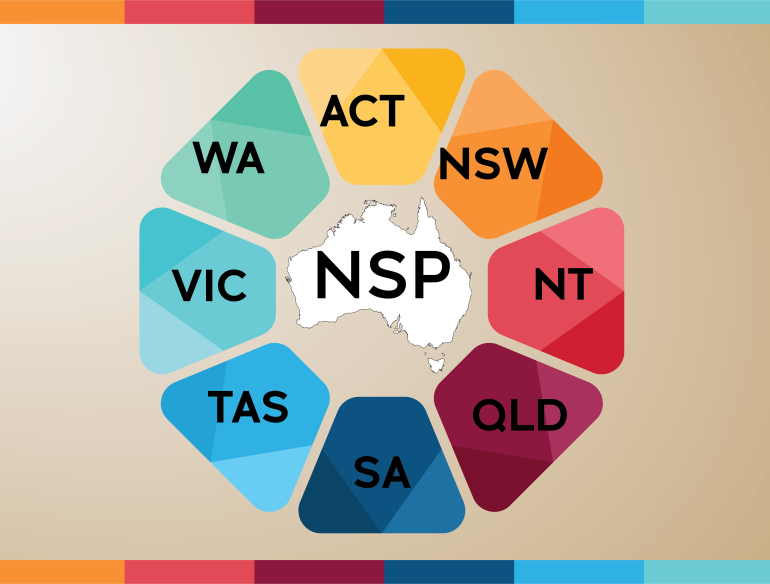
- Australia's network of 4,612 NSP services was comprised of 114 primary, 906 secondary and 3,134 pharmacy NSPs in 2025. These face-to-face services were supplemented by 458 syringe dispensing machines.
- Based on ~1,900 NSP occasions of service (OOS) recorded at primary and secondary NSPs that participated on the snapshot day in 2025, half (51%) of NSP OOS involved provision of health education/interventions and almost one in ten (9%) involved a referral.
- Three in four (72%) NSP attendees were male, three fifths (60%) were aged between 30 and 49 years, young people (aged <25 years) comprised 4% of OOS in 2025 and excluding occasions of service where Indigenous status was not reported, 25% of NSP attendees identified as Aboriginal and/or Torres Strait Islander.
- Stimulants and hallucinogens (predominantly methamphetamine) were the most commonly reported drugs injected on the snapshot day in 2025 (47%), followed by analgesics (heroin, other opioids and opioid substitution therapies, 28%) and anabolic agents and selected hormones (predominantly anabolic steroids, 14%).
- Australian NSPs distributed 64.4 million needles and syringes in 2024/25.
- These were distributed to an estimated population of 72,441 people who inject drugs (excluding people who inject occasionally). This equates to 889 needles/syringes each per annum, exceeding the UNAIDS definition of high syringe coverage by more than four-fold. Syringe coverage (syringes per injection) remained high at 136% in 2024/25.