
In the first decade of the Kirby Institute, we built trust and relationships with communities most impacted by disease and generated evidence to inform public health policy. These successful partnerships led to national leadership of disease surveillance and an expanding focus on new diseases.
In its second decade, the Institute became a leading force in hepatitis C epidemiology and clinical research – improving treatment options and proving their effectiveness in people who inject drugs, a population long overlooked by mainstream medicine. We also played a central role in national surveillance through the Australian Needle Syringe Program Survey, tracking trends in hepatitis C prevalence and risk behaviour over time.
As the Kirby Institute marks its 40th anniversary, join us at this special seminar to explore how and why the Institute broadened its infectious disease portfolio during this defining decade, why hepatitis C became such a central chapter in that story, and what it meant to build an institution around the conviction that all people deserve access to quality healthcare and that the people most affected by disease must be at the centre of the research designed to address it.
This is an in-person event. This seminar will be followed by light refreshments and networking, 4:30pm–5:30pm.
An on-demand recording will be available after the event.
Speakers
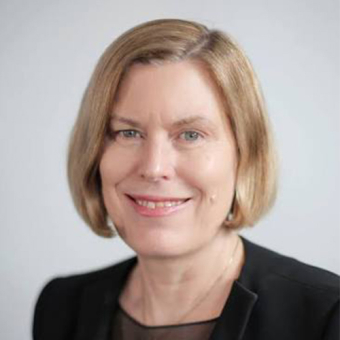
| Dr Kerry Chant AO PSMKerry Chant has been with the New South Wales Health Department since 1991 working in the areas of virus infections, communicable diseases prevention and control and Indigenous health. She is currently Deputy Secretary of Population and Public Health and NSW Chief Health Officer, a role for which she has been recognised for her contribution, having held the longest service to date. |
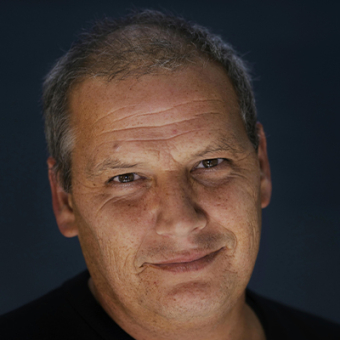
| Sione CrawfordSione Crawford has been working in peer-based organisations of people who use drugs since 2004. He is currently the CEO of Harm Reduction Victoria: the organisation representing people who use drugs in Victoria, Australia. He has worked as a peer-educator, in community development and in policy and leadership positions and while at NUAA he worked on the early peer supported treatment models with the Kirby Institute, such as ETHOS. Sione has lived and living experience of hepatitis C treatment, injecting drug use, opioid agonist programs and the stigma and discrimination that attaches to these experiences. |
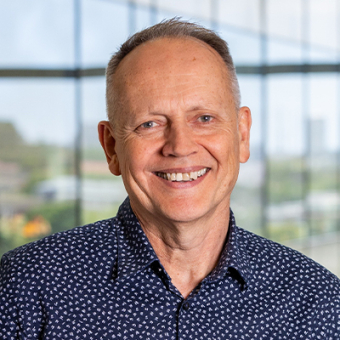
| Scientia Professor Greg DoreGreg Dore is Head, Viral Hepatitis Clinical Research Program, Kirby Institute, and Infectious Diseases Physician, St Vincent’s Hospital, Sydney. He has been involved in viral hepatitis and HIV epidemiological and clinical research, clinical care and public health policy for 30 years. He has developed extensive national and international collaborations and is internationally recognized in the areas of hepatitis C (HCV) natural history and epidemiology, therapeutic strategies for acute and chronic HCV infection, particularly among people who inject drugs, and HCV elimination strategies. |
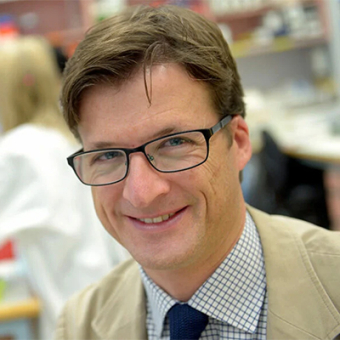
| Professor Alex ThompsonAlex Thompson is Professor - Director of the Department of Gastroenterology at St Vincent’s Hospital Melbourne and the University of Melbourne and Adjunct Assistant Professor of the Department of Gastroenterology, Duke University Medical Centre. |
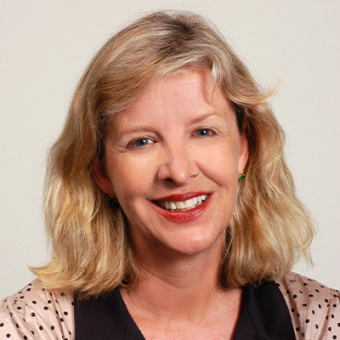
| Dr Ingrid Van BeekIngrid is a public health and addiction medicine physician who was the longstanding Director of the Kirketon Road Centre (KRC) and the founding Medical Director of the Australia’s first Medically Supervised Injecting Centre. |
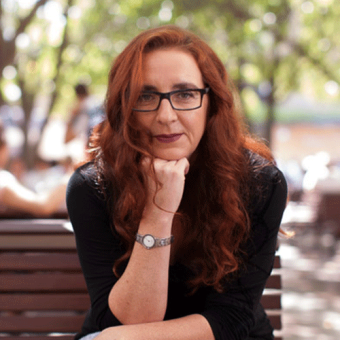
| Chair: Scientia Professor Carla TreloarCarla Treloar's research interests are in the fields of hepatitis C and injecting drug use. She is a primarily qualitative researcher and is grounded in the disciplines of health and social psychology, public health and health policy. Carla constantly seeks to work across methods and disciplines; working to blend the insights that an individual-based discipline like health psychology can provide when issues such as hepatitis C and illicit drug use are considered in social, legal and political contexts. |
Kirby Institute 40 Years of Impact Seminar Series
In celebration of 40 years of research impact, in 2026 the Kirby Institute is coordinating a special series of seminars. In this series, we will look back over the four decades of our institute to reflect on the achievements we have made, the lessons we have learned and the crucial partnerships that made it all possible.
As we reflect on our 40th anniversary one thing is clear: we are only just getting started. Through these seminars, we will explore what has come to define the Kirby Institute, the extent to which we have responded to the needs of impacted communities, and what elements of our history we want to carry forward into our next 40 years to ensure we can continue to do more good, for more people, as long as it is needed.
Opinions expressed in this Seminar Series are solely those of the speaker and do not necessarily represent the views or opinions of the Kirby Institute or UNSW.


